How to Grow a Pollinator Garden: Complete Beginner’s Guide
“A pollinator garden restores ecological balance by providing continuous food sources and habitat throughout the growing season.”
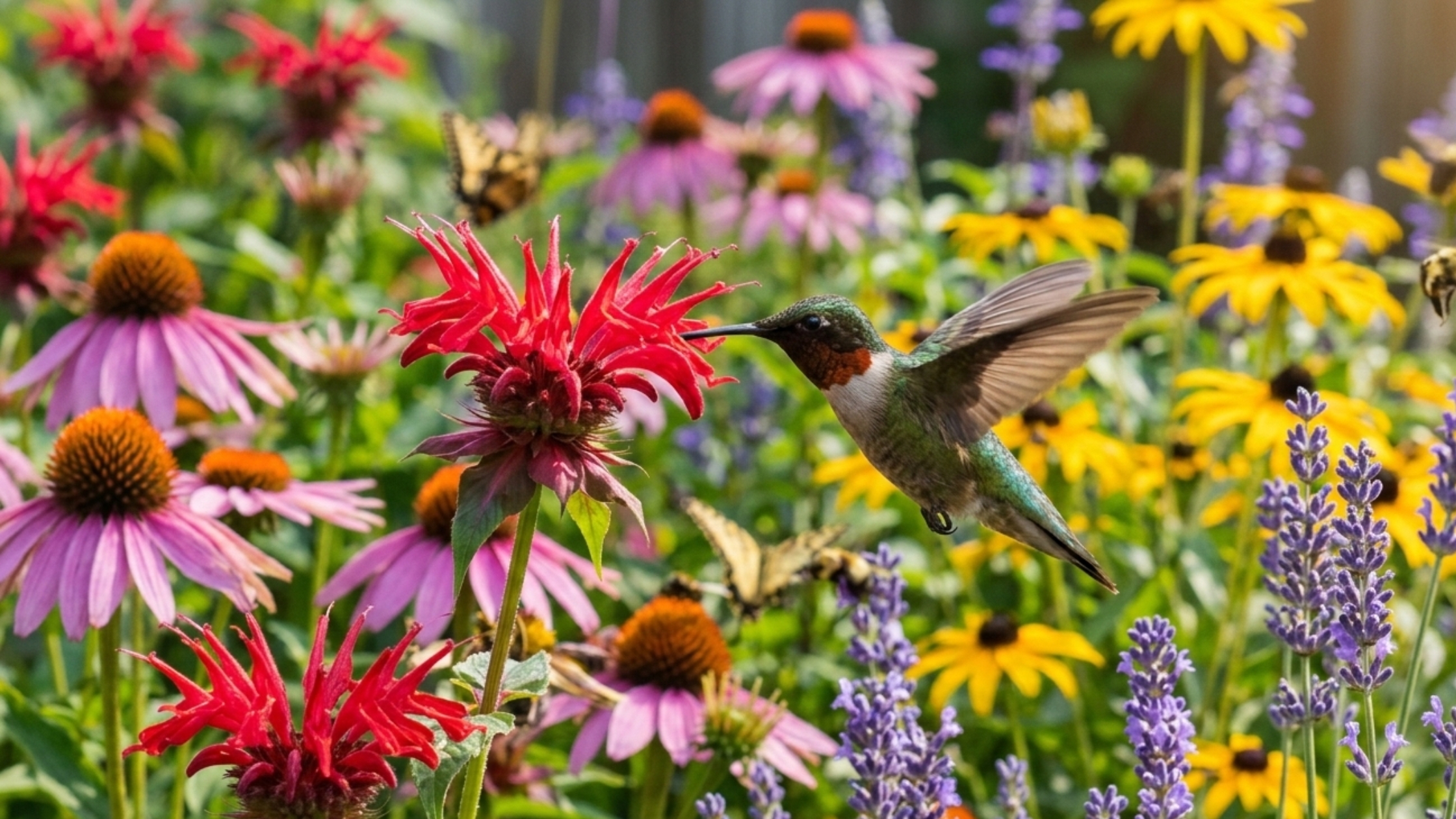
Learning how to grow a pollinator garden is one of the most impactful ways to support biodiversity in your local environment. A pollinator garden is intentionally designed to provide nectar, pollen, shelter, nesting sites, and overwintering habitat for insects and other pollinating species. Unlike ornamental gardens that focus primarily on aesthetics, pollinator gardens are ecological systems. They function as living habitats that support life cycles from early spring through late autumn and into winter dormancy.
Pollinators, including native bees, butterflies, moths, flies, beetles, and even some bird species, are responsible for pollinating a significant portion of flowering plants and food crops. Without pollinators, ecosystems weaken, food systems decline, and biodiversity suffers. A thoughtfully planned pollinator garden strengthens local ecosystems while also creating a dynamic, ever-changing landscape filled with movement and seasonal beauty.
Why Pollinator Gardens Matter
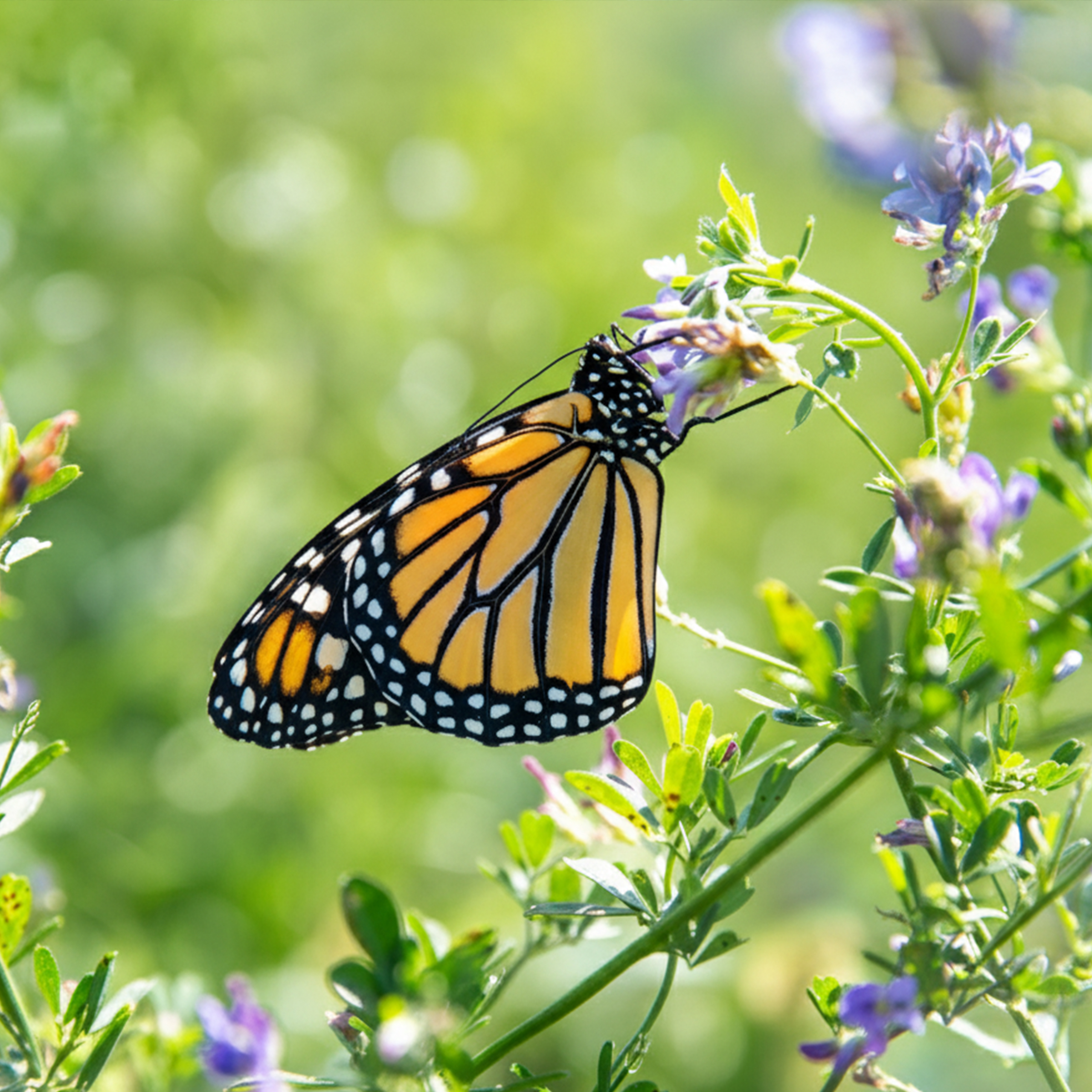
Pollinators are essential for plant reproduction. When insects move pollen from one flower to another, fertilization occurs, allowing plants to produce seeds and fruit. This process supports not only wild plant communities but also agricultural systems.
However, pollinator populations face significant pressures from habitat loss, pesticide exposure, climate shifts, and fragmentation of native landscapes. Traditional lawns and highly manicured landscapes often provide little to no ecological value. Replacing even a small section of turfgrass with native flowering plants can dramatically increase habitat availability.
A pollinator garden restores ecological balance by providing continuous food sources and habitat throughout the growing season. It also increases resilience by supporting diverse species rather than relying on a limited number of ornamental plants.
Start With Native Plants
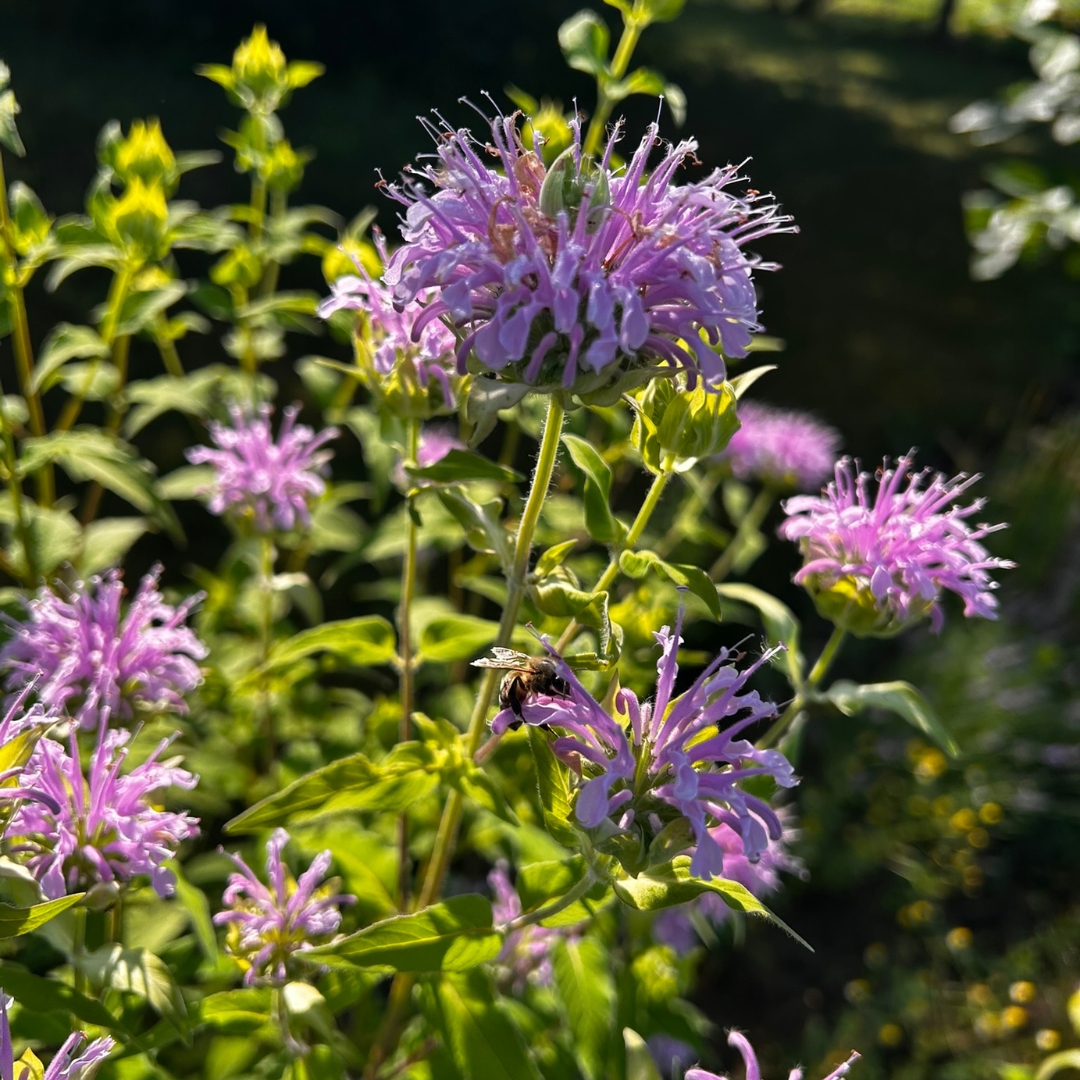
The most important principle in learning how to grow a pollinator garden is to prioritize plants that are native to your region. Native plants have co-evolved with local pollinators over thousands of years. This evolutionary relationship means that native insects recognize these plants as food sources and are physiologically adapted to use them.
While non-native ornamental plants may produce nectar, they often lack the specific nutritional value required by native insect larvae. Some caterpillars, for example, can only feed on specific native host plants. Without those plants, breeding cannot occur.
When planning your pollinator garden, research native species specific to your geographic region. Local conservation authorities, native plant societies, and horticultural organizations often provide regional plant lists.
Plan for the Entire Life Cycle: Not Just Food
A successful pollinator garden supports more than feeding. Pollinators require resources for breeding, nesting, shelter, and overwintering.
Many insects lay eggs on specific host plants. These plants are not always the most visually striking, but they are essential for reproduction. Including host plants ensures that your garden supports full life cycles rather than temporary feeding visits.
Ground-nesting bees require undisturbed soil areas. Avoid covering all exposed soil with mulch or landscape fabric. Leaving small patches of bare ground provides critical nesting habitat.
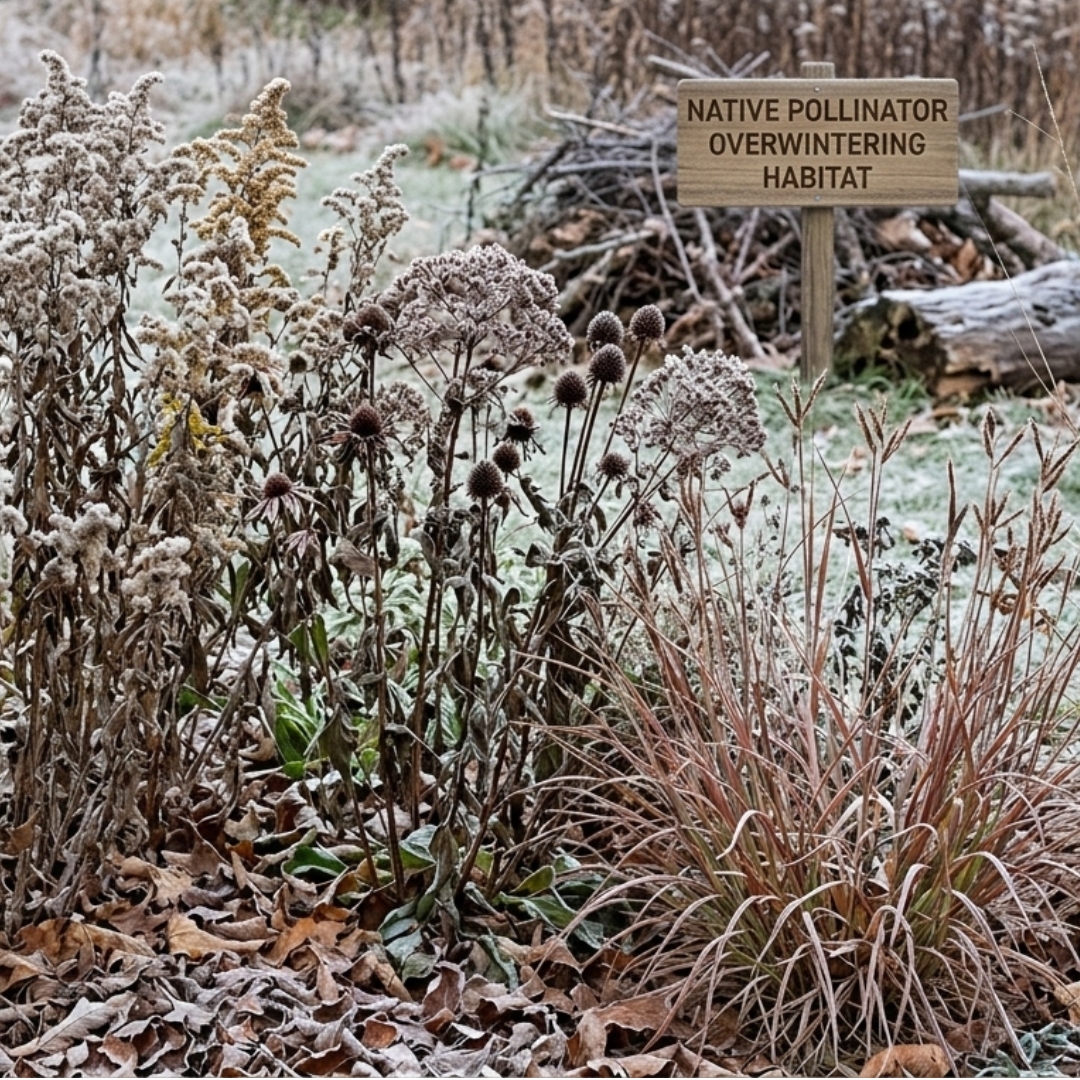
Overwintering habitat is equally important. Many insects overwinter in hollow stems, leaf litter, or woody debris. Instead of cutting everything back in autumn, leave stems standing through winter and delay cleanup until late spring when temperatures consistently rise.
A pollinator garden is not simply a flower bed. It is habitat infrastructure.
Choose a Diversity of Plant Types
Biodiversity is foundational to ecological stability. A pollinator garden should include a variety of plant forms and bloom times to ensure continuous support.
Aim to include:
Early spring bloomers for emerging pollinators.
Summer-flowering species for peak activity.
Late-season bloomers for pre-winter energy storage.
Grasses and structural plants for nesting and shelter.
Incorporating trees and shrubs significantly increases habitat value. Flowering trees and native shrubs provide nectar, pollen, and structural diversity. Even small urban gardens benefit from vertical layering.
Avoid Pesticides and Chemical Treatments
Chemical pesticides, herbicides, and systemic insecticides can harm pollinators even when applied indirectly. Many commonly used lawn treatments persist in plant tissues and nectar, exposing insects long after application.
If pest management is necessary, prioritize manual removal, companion planting, and ecological balance. Healthy, biodiverse gardens are naturally more resistant to outbreaks because predators and beneficial insects help maintain balance.
Design for Structure and Shelter
Pollinator gardens thrive when layered. Structure increases habitat value.
Include:
Tall flowering plants for visibility and nectar access.
Mid-height perennials for dense planting.
Groundcovers to reduce soil erosion and maintain moisture.
Shrubs for nesting protection.
Deadwood or brush piles in discreet areas for shelter.
Water sources can also enhance habitat. A shallow dish with stones allows pollinators to drink safely without drowning.
Understand Bloom Timing and Seasonal Flow
Continuous bloom is essential. Pollinators require consistent nectar sources from early spring until frost.
When selecting plants, consider bloom calendars rather than purchasing based solely on appearance. A well-planned pollinator garden ensures that as one species finishes blooming, another begins.
This continuity supports reproductive cycles and prevents nutritional gaps.
Maintenance With Ecological Awareness
Pollinator gardens require thoughtful maintenance rather than constant intervention.
Avoid excessive pruning during peak activity periods. Leave seed heads in place through winter to provide food and shelter. Delay spring cleanup until temperatures remain consistently above 10°C (50°F), allowing overwintering insects to emerge safely.
Maintenance should mimic natural rhythms rather than impose rigid aesthetic standards.
Size Does Not Limit Impact
Pollinator gardens can be created in expansive rural landscapes or small urban spaces. Even container gardens on balconies can support native bees and butterflies when planted thoughtfully.
What matters most is intentional design, plant diversity, and ecological awareness.
Long-Term Benefits
Growing a pollinator garden does more than support insects. It improves soil health, increases biodiversity, enhances natural pest control, and strengthens climate resilience. It also reconnects gardeners to seasonal cycles and ecological processes.
By understanding how to grow a pollinator garden with intention, you move beyond decorative landscaping and contribute meaningfully to environmental stewardship.